National Seminars

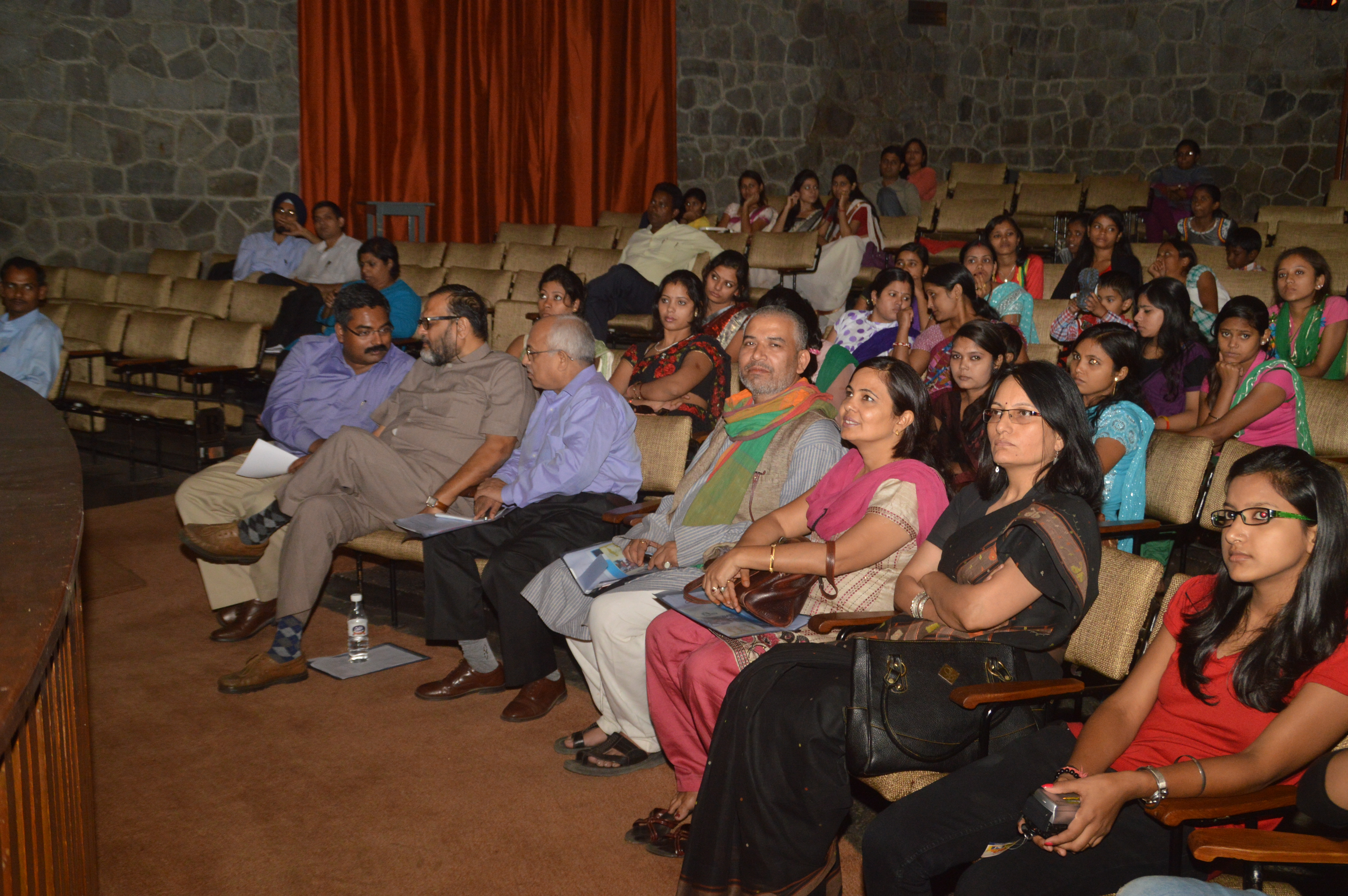
National Seminar: Constitutional Rights for Welfare of Girl Child

Interface among Practitioners, Academicians, and Policy Makers Jointly Organised by: Deep Welfare Organisation & Independent Thought (iThought) Location: New Delhi, India
Home/National Seminars/National Seminar: Constitutional Rights for Welfare of Girl Child
Year 2004National Academic Forum
Deep Welfare Organisation
National Seminar: Constitutional Rights for Welfare of Girl Child
Symposium Proceedings

National Seminar: Constitutional Rights for Welfare of Girl Child

Complete Seminar Proceedings & Overview

Official published transcript and proceedings of the national symposium.

Constitutional Safeguards & Policy Mandate The Constitution of India guarantees robust protective frameworks for every citizen, with targeted provisions ensuring affirmative action for children and women: Article 14: Guarantees equality before the law and equal protection of the laws. Article 15(1) & 15(3): Prohibits discrimination on grounds of sex while empowering the State to create special affirmative provisions for women and children. Article 21: Secures the right to life and personal liberty with human dignity. Article 21A: Mandates the State to provide free and compulsory education to all children aged 6 to 14 years. Despite these constitutional assurances and schemes under the Right to Free and Compulsory Education (RTE) Act, 2009 and Sarva Shiksha Abhiyan (SSA), millions of girls remain excluded from formal education. While primary school entry reaches ~81%, nearly 50% of girls drop out at the secondary stage due to entrenched barriers of domestic burden, poverty, and child marriage. Core Focus & Legal Advocacy The national dialogue addressed the structural nexus between the denial of the Right to Education (RTE) and the prevalence of illegal Child Marriage in India. Deliberations highlighted key constitutional protections under Articles 14, 15(3), 21, and 21A, examining why high primary school enrollment rates continued to experience sharp secondary-level dropouts among adolescent girls. A central agenda of the seminar was evaluating critical statutory conflicts across Indian child protection laws: The Prohibition of Child Marriage Act (PCMA), 2006: Challenges surrounding the legal status of child marriages as voidable rather than void ab initio. POCSO Act (2012) vs. IPC Section 375 Exception: Addressing the legislative contradiction concerning the age of consent and protection of minor girls from marital sexual abuse—a landmark issue taken up by co-organizer Independent Thought via Public Interest Litigation (PIL) before the Supreme Court of India. Multi-Stakeholder Participation The interface brought together key actors from across the policy, legal, and grassroots ecosystems: Representatives from the National Commission for Protection of Child Rights (NCPCR) and the National Commission for Women (NCW) Senior officials from the Ministry of Women & Child Development (WCD) and Ministry of Health & Family Welfare Legal luminaries, child rights advocates, medical professionals, academic researchers, and grassroots practitioners Key Outcomes The deliberations concluded with policy recommendations emphasizing strict enforcement of compulsory secondary schooling, systemic harmonization of child protection statutes, and community-level monitoring to eliminate child marriage and protect the fundamental rights of the girl child.
National Symposia

Explore Other Seminars

View All Forums
2011

State-Level Workshop on "Protect Girl Child & Promote Adoptions"

On 19th November 2010, Deep Welfare Organisation, in collaboration with the Delhi Commission for Protection of Child Rights (DCPCR), organized a full-day consultative workshop titled "Protect Girl Child & Promote Adoptions" at the India International Centre (IIC Annexe), Max Mueller Marg, New Delhi. Organized on the birth anniversary of Late Smt. Indira Gandhi, the workshop served as a state-level platform bringing together policymakers, statutory bodies, legal experts, academics, and grassroots practitioners to address the dual crises of declining child sex ratios and procedural bottlenecks in institutional adoption.

View Proceedings
2004

National Seminar: "Protect Girl Child Through Health & Education"

In Indian society, deeply entrenched patriarchal norms continue to affect reproductive attitudes and child-rearing practices. Pervasive social practices, such as dowry, have historically reinforced the perception of daughters as financial liabilities, giving rise to cultural notions like ‘Paraya Dhan’ for girls versus ‘Budhape ki Lathi’ for sons.

View Proceedings
2004

National Seminar on "Violence Against Women and Girl Child: Challenges and Way Out"

On 12th March 2023, Deep Welfare Organization, in joint collaboration with the Educational Forum for Women Justice and Social Welfare, organized a high-level National Seminar titled "Violence against Women and Girl Child... Challenges and Way Out" at New Maharashtra Sadan, K.G. Marg, New Delhi.

View Proceedings