National Seminars

National Seminar: "Protect Girl Child Through Health & Education"

In Indian society, deeply entrenched patriarchal norms continue to affect reproductive attitudes and child-rearing practices. Pervasive social practices, such as dowry, have historically reinforced the perception of daughters as financial liabilities, giving rise to cultural notions like ‘Paraya Dhan’ for girls versus ‘Budhape ki Lathi’ for sons.
Home/National Seminars/National Seminar: "Protect Girl Child Through Health & Education"
Year 2004National Academic Forum
Deep Welfare Organisation
National Seminar: "Protect Girl Child Through Health & Education"
Symposium Proceedings

National Seminar: "Protect Girl Child Through Health & Education"

Complete Seminar Proceedings & Overview

Official published transcript and proceedings of the national symposium.

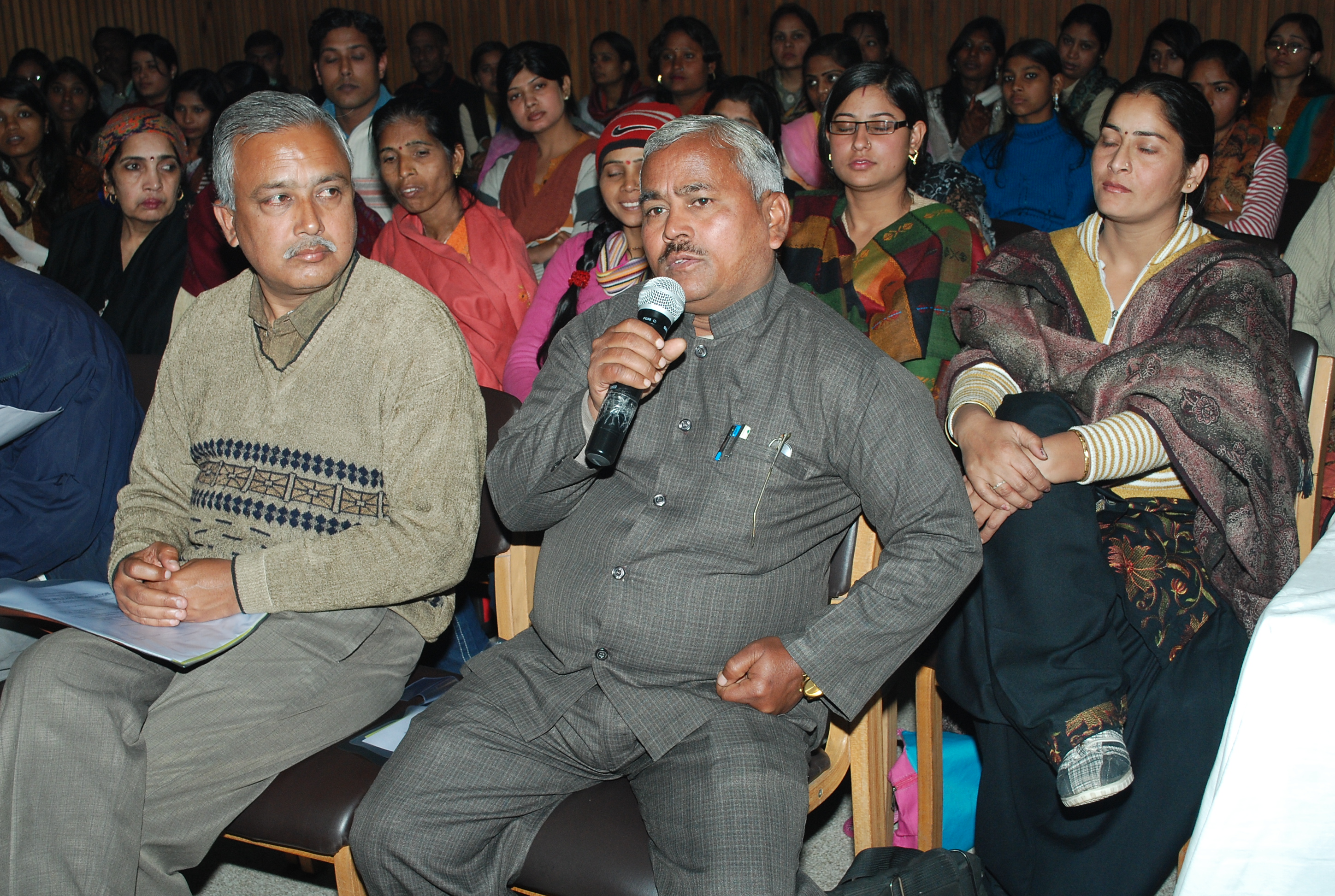
On 19th October 2012, Deep Welfare Organisation convened a National Seminar titled "Protect Girl Child Through Health & Education" at the Dy. Speaker Hall, Constitution Club of India, New Delhi. The seminar brought together policymakers, legal luminaries, health professionals, and grassroots civil society leaders to address two foundational pillars of child development: universal access to quality healthcare and uninterrupted education for girls. While national demographic records from 1961 to 2011 reflect a general rise in the overall sex ratio after 1991, the Child Sex Ratio (0–6 years) witnessed a persistent decline—falling from 927 in 2001 to a historic low of 914 girls per 1,000 boys in the 2011 Census. From a human rights and gender-equity perspective, prenatal sex selection represents systemic violence and discrimination against women. While the Pre-Conception and Pre-Natal Diagnostic Techniques (PCPNDT) Act was enacted to prohibit sex-selective elimination, ground-level implementation challenges and low conviction rates necessitate multi-stakeholder vigilance, stringent legal enforcement, and broad public sensitization. Key Focus Areas 1. Girl Child Health & Nutritional Realities Malnutrition & Stunting: 45% of adolescent girls experience stunting (compared to 20% of boys), leading to lower physical growth milestones, with 35% of rural adolescent girls recording body weights below 38 kg and heights below 145 cm. Anemia Burden: Over 56% of girls aged 15–19 suffer from anemia, escalating lifetime risks of severe health complications, maternal mortality, and low birth-weight deliveries. 2. Educational Access & Retention Drop-Out Trends: Around 34% of girls drop out of the formal schooling system before completing Grade 5. Domestic & Economic Burden: Unpaid care work, household responsibilities, and child labor disproportionately pull girls away from classrooms, limiting their long-term agency and socio-economic mobility. 3. Protection Against Violence & Exploitation Vulnerability to abuse, trafficking, child labor, and physical violence remains high across vulnerable pockets. Adolescent girls (ages 11–18) face rapid physiological and psychosocial changes that require specialized counseling, safe spaces, and institutional support. Core Objectives Address the structural drivers behind the declining Child Sex Ratio across Indian states. Advocate for equitable, adolescent-friendly healthcare and nutritional interventions. Strengthen retention, foundational literacy, and rights-based schooling for every girl child. Build multi-sectoral awareness to enforce the PCPNDT Act and eliminate female feticide. The seminar convenes key stakeholders from across sectors, including: Government Officials: Ministries of Health & Family Welfare, Women & Child Development, and Social Justice & Empowerment. Statutory Commissions: Representatives from the National Commission for Women (NCW) and National Commission for Protection of Child Rights (NCPCR). Technical & Civil Society Experts: Medical practitioners, legal advocates, grassroots NGOs, educators, researchers, and media representatives. Core Deliberations Tackling the Declining Child Sex Ratio: Evaluating the field-level execution of the PCPNDT Act and mobilizing communities against sex selection and female feticide. Overcoming Nutritional Deficits: Addressing high anemia rates and adolescent stunting through institutional and community-led health interventions. Sustaining Girls' Education: Removing the socio-economic barriers that cause over one-third of girls to leave school before primary completion. Building Multi-Sectoral Alliances: Engaging the NCW, NCPCR, state ministries, medical practitioners, and social organizations to safeguard girl children at every life stage. Deep Welfare Organisation remains dedicated to shifting community mindsets, ensuring every daughter is valued, educated, and protected.